Skip to content
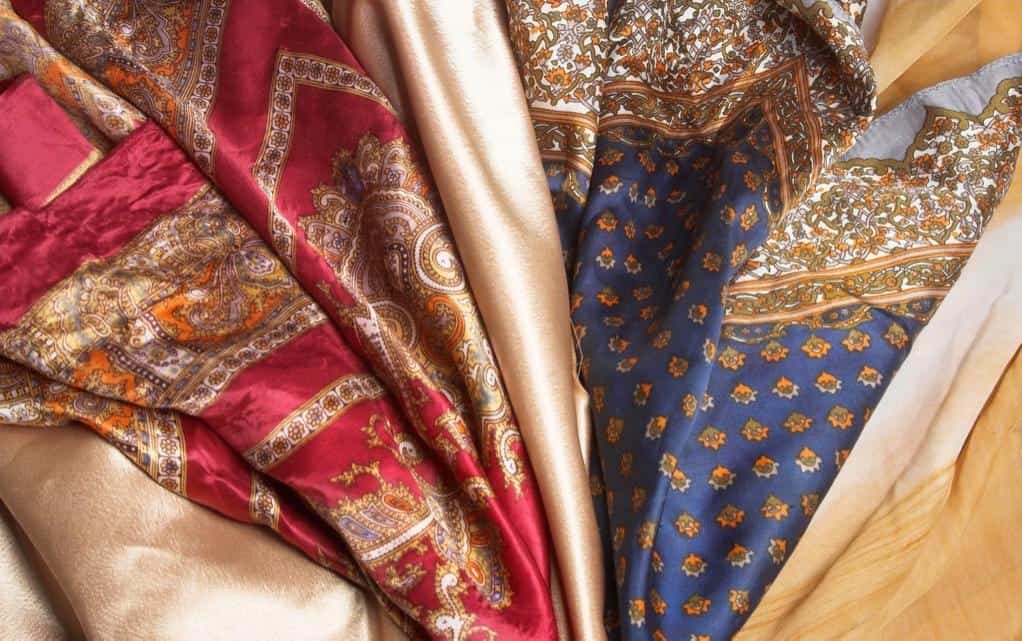
Silk represents one of nature’s most remarkable achievements in textile production. This natural fiber benefits from unique protein structures that silkworms create during their life cycle. You’ll find silk material characteristics unlike any other fabric when selecting materials for your home or wardrobe.
The luxury textile properties of silk come from its fibroin protein composition. Each strand contains proteins that bond together to create exceptional strength. Your silk curtains or upholstered chairs will resist warping and maintain their shape for years. The fabric pushes back against wrinkles and crushing better than cotton or linen.
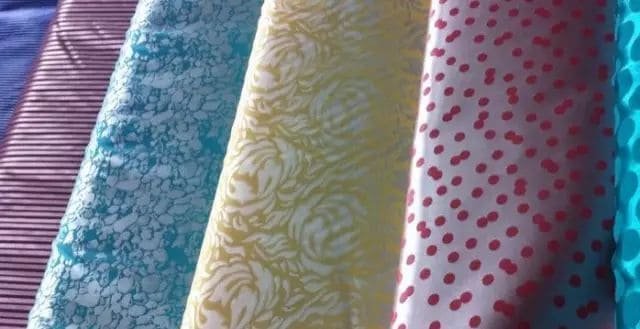
Understanding silk fabric pros and cons helps you make smart purchasing decisions. The material commands high prices because production requires specialized care and handling. Water presents a serious threat to silk – even small droplets can leave permanent marks on the surface. Direct sunlight breaks down the fibers over time, causing tears and color loss.
This fabric selection guide will explore every aspect of silk ownership. You’ll learn about the production process, care requirements, and cost factors. We’ll examine sustainable alternatives and compare silk to synthetic options. By the end, you’ll know exactly when silk makes sense for your specific needs and budget.
The Fascinating History and Origins of Silk Production
The story of silk history begins in ancient China around 2700 BC, when legend tells us that Chinese Empress Leizu made an extraordinary discovery. While sitting under a mulberry tree, a cocoon fell into her tea cup. As she tried to remove it, the cocoon began to unravel into a single, shimmering thread. This moment sparked the beginning of ancient silk production that would transform civilizations for thousands of years.
Ancient Chinese Discovery and Silk Road Trade
China guarded the secrets of silk production with extreme care. Anyone who revealed the methods faced death as punishment. For nearly 3,000 years, the Chinese maintained their monopoly on this precious fabric, which earned the title “Queen of Textiles.” The famous silk trade routes connected East and West, creating paths for merchants to transport this valuable material across continents.
Global Expansion of Silk Manufacturing
Eventually, the knowledge of silk production spread beyond China’s borders. Korea, Thailand, and India learned the art of raising silkworms and harvesting their threads. European countries joined the global silk industry during the Byzantine Empire when monks smuggled silkworm eggs out of China. What started as an imperial luxury slowly became available to wealthy merchants and nobles worldwide.
Modern Silk Production Centers Worldwide
Today’s silk market reaches far beyond its ancient origins. Major companies like AMSilk GmbH, EntoGenetics Inc., and Anhui Silk Co. Ltd. lead production efforts. Market analysts project the industry will reach $34.1 billion by 2031, growing at 8.2% annually. China still produces about 70% of the world’s silk, while India, Uzbekistan, and Brazil have emerged as significant producers.
Understanding What Makes Silk Unique Among Natural Fibers
Silk stands apart from cotton, wool, and linen due to its remarkable silk protein structure. Unlike plant-based fibers, silk consists entirely of proteins that create an unmatched combination of strength and softness. The unique textile characteristics of this material have captivated designers and manufacturers for thousands of years.
Protein Structure and Fibroin Composition
The fibroin composition of silk gives it exceptional qualities. This protein makes up about 70-80% of the fiber, while sericin forms the remaining portion. Fibroin chains align in crystalline sheets that provide tensile strength greater than steel wire of the same thickness. These natural fiber properties allow silk to stretch up to 20% without breaking.
Natural Production Process by Silkworms
Silkworm production involves caterpillars spinning protective cocoons before metamorphosis. Each silkworm secretes liquid proteins through special glands, creating a single continuous thread measuring 300 to 900 meters. The insects work for three to eight days straight, spinning their cocoons in figure-eight patterns. This natural process cannot be replicated artificially with the same results.
Distinctive Properties That Set Silk Apart
The textile characteristics of silk include exceptional moisture absorption and temperature regulation. The triangular prism structure of silk fibers reflects light at different angles, creating the signature luster. These natural fiber properties make silk breathable in summer yet insulating in winter. The smooth surface reduces friction against skin, making silk ideal for sensitive individuals.
Strength and Durability Benefits of Silk Materials
When you examine silk strength properties closely, you’ll discover why this fiber has earned its reputation among durable natural fibers. Silk ranks as one of the strongest materials nature produces, with individual fibers demonstrating remarkable textile resilience that rivals synthetic alternatives.
The secret behind silk’s material performance lies in its unique protein structure. Each fiber can stretch up to 20% of its original length before breaking, giving it exceptional flexibility. This elasticity makes silk perfect for upholstered furniture and high-quality garments that need to maintain their shape through daily use.
You might find it interesting that silk’s impressive fabric longevity once made it the material of choice for parachutes during World War II. The military valued its combination of lightweight construction and tensile strength—qualities that still make silk valuable in modern applications.
“Silk possesses a tensile strength of approximately 300-500 megapascals, making it stronger than many steel alloys of the same diameter.” – Materials Science Institute
The textile resilience of silk becomes even more impressive when fibers are woven together. The interlocking structure resists warping and maintains its integrity under stress. Many manufacturers blend silk with cotton to enhance material performance and create fabrics that combine the best qualities of both fibers.
While silk does lose some strength when wet, proper care ensures excellent fabric longevity. Reserve silk-covered furniture for rooms with moderate use, and your investment will maintain its beauty for years. The balance between strength and delicate appearance makes silk unique among durable natural fibers available today.
Advantages and Disadvantages of Silk Fabrics
When selecting fabrics for your home or wardrobe, understanding silk benefits drawbacks helps you make informed purchasing considerations. Silk stands out among textiles for its unique blend of luxury and practicality, yet it comes with specific challenges that influence textile selection decisions.
Key Benefits for Home Decoration and Fashion
Silk brings exceptional qualities to both interior design and clothing. The fabric’s hypoallergenic properties make it ideal for people with sensitive skin or allergies. Natural proteins in silk resist dust mites and common allergens better than cotton or synthetic materials.
For home decoration, silk drapes maintain their elegant appearance without developing permanent creases when furniture pushes against them. The fabric’s natural anti-wrinkle characteristics mean curtains look fresh even after being tied back for extended periods. This material advantages disadvantages balance makes silk particularly attractive for formal living spaces.

Common Drawbacks to Consider Before Purchase
Despite its appeal, silk requires careful consideration before purchase. The fabric’s delicate nature demands professional dry cleaning rather than standard washing methods. Exposure to direct sunlight causes fading and weakening of silk fibers within months. Water stains become permanent marks if not treated immediately with proper techniques.
Comparing Silk to Alternative Fabric Options
Fabric comparison reveals that faux silk offers budget-friendly solutions for decorative projects. Polyester blends provide similar visual appeal at lower costs while requiring less maintenance. Silk velvet combines traditional luxury with improved durability, making it practical for upholstery applications where pure silk might wear too quickly.
Luxurious Appearance and Aesthetic Appeal of Silk
The unmistakable silk appearance captivates designers and homeowners seeking to elevate their spaces with luxury textiles. This fabric’s visual appeal stems from its unique molecular structure, which creates an unparalleled aesthetic quality. When you incorporate silk into your home or wardrobe, you’re investing in a material that transforms ordinary items into extraordinary pieces.
The Science Behind Silk’s Natural Shine
The natural shine of silk originates from fibroin protein molecules arranged in triangular prism-like structures. These smooth surfaces reflect light at different angles, creating the fabric’s signature shimmer. This optical property gives silk its dynamic appearance that changes as you view it from various positions. The result is a living fabric that seems to glow from within.
Color Retention and Dye Absorption Properties
Silk’s exceptional color absorption capabilities allow it to display vibrant hues that remain rich over time. The protein fibers bond effectively with dyes, producing deep, saturated colors that resist fading. This property makes silk perfect for creating intricate patterns in interior design fabrics, from bold geometrics to delicate florals.
Creating Sophisticated Interior Design Elements
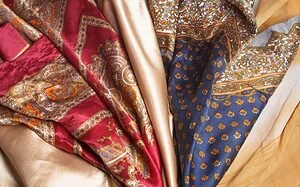
You can transform any room using silk curtains, upholstery, or decorative pillows. These luxury textiles add depth and refinement to living spaces. Designers often choose silk wall hangings to create focal points that showcase the fabric’s natural shine. The material works beautifully in both traditional and contemporary settings, adapting to your design vision while maintaining its timeless elegance.
Practical Applications in Home Furnishing and Upholstery
Silk transforms ordinary spaces into luxurious environments through versatile home furnishing applications. You can find this elegant material gracing living rooms, bedrooms, and formal dining areas across upscale residences and luxury hotels. The fabric’s natural properties make it perfect for creating sophisticated interior textiles that stand the test of time.

When selecting furniture covering, silk upholstery offers unmatched elegance for sofas, chairs, and ottomans. The fabric’s tensile strength ensures your investment lasts for years while maintaining its refined appearance. Many interior designers choose decorative fabrics made from silk for accent pillows and cushions because they add instant sophistication to any room.
Silk drapes and curtains remain popular choices for window treatments. These interior textiles filter light beautifully while providing privacy and insulation. The material’s ability to absorb dyes creates rich, vibrant colors that resist fading when properly maintained.
“Silk is the ultimate luxury fiber – it breathes in summer, insulates in winter, and brings timeless elegance to any space.” – Martha Stewart
Beyond traditional home furnishing applications, silk appears in unexpected places. Wall hangings showcase the fabric’s lustrous sheen, while silk bedding provides exceptional comfort for restful sleep. The material’s hypoallergenic properties make it ideal for decorative fabrics in bedrooms where allergies might be a concern. From table runners to lampshades, silk elevates everyday items into statement pieces that define your home’s character.
Silk Care Requirements and Maintenance Challenges
Silk’s delicate nature demands special attention to preserve its beauty and extend its lifespan. Understanding proper silk care instructions can mean the difference between enjoying your silk items for decades or watching them deteriorate within months. The protein fibers that give silk its lustrous appeal require specific fabric maintenance techniques that differ from cotton or synthetic materials.
Proper Cleaning Methods and Professional Services
Dry cleaning remains the safest option for silk garments and home textiles. Water causes silk fibers to shrink and lose their shape, making traditional washing risky. Professional cleaners use specialized solvents that remove dirt without damaging the delicate protein structure. For minor spots, you can gently dab the area with a white cloth dampened with lukewarm water, working from the stain’s edges toward the center.
Storage Solutions to Preserve Silk Quality
Store silk items in breathable cotton bags or acid-free tissue paper to prevent yellowing. Cedar chests provide excellent storage solutions while naturally repelling moths. Keep silk away from plastic bags, which trap moisture and cause mildew. Fold items loosely or roll them to avoid permanent creases.
Dealing with Water Stains and Sun Damage
Water droplets create permanent rings on silk that prove nearly impossible to remove. For damage prevention, act quickly by blotting spills immediately with a dry cloth. Sunlight breaks down silk fibers, causing tears and color fading. Install UV-blocking window treatments or line silk curtains with protective backing to shield them from direct sun exposure.
Cost Considerations and Investment Value of Silk Products
When you’re planning to incorporate silk into your home or wardrobe, understanding silk pricing becomes essential for smart budget considerations. Premium textiles like silk command higher prices than standard fabrics, yet their exceptional qualities often justify the expense for many buyers.
The global silk market shows impressive growth potential, with revenue forecasts reaching $34.1 billion by 2031. This expansion reflects silk’s enduring appeal as one of the most coveted luxury fabric costs in the textile industry. You’ll find that authentic silk products from established brands like Hermès or Frette range from hundreds to thousands of dollars, depending on the item and quality grade.
Your investment value extends beyond the initial purchase price. Silk’s natural durability means properly maintained pieces can last decades, making the cost per wear or use quite reasonable over time. Premium textiles like mulberry silk retain their beauty and structural integrity far longer than synthetic alternatives.
Budget considerations shouldn’t automatically exclude silk from your options. You can explore silk blends that combine natural silk with other fibers, reducing costs while maintaining some of silk’s desirable properties. Brands like West Elm and Pottery Barn offer silk-blend options that balance quality with affordability.
“The bitterness of poor quality remains long after the sweetness of low price is forgotten.” – Benjamin Franklin
For projects where authentic silk exceeds your budget, consider strategically using smaller quantities in accent pieces rather than large installations. This approach allows you to enjoy silk’s luxury without overwhelming your finances.
Environmental Impact and Sustainability of Silk Production
Silk stands at a crossroads between luxury and sustainability. While traditional methods demand significant resources, the textile industry is transforming how we produce this ancient fabric. Understanding the environmental impact helps you make informed choices when selecting materials for your projects.
Resource Requirements for Silk Manufacturing
Producing silk requires careful management of natural resources. Mulberry trees need water and land to grow leaves that feed silkworms. A single kilogram of raw silk needs approximately 104 kilograms of mulberry leaves. Water usage during the reeling and processing stages adds to the environmental impact. Energy consumption for maintaining controlled temperatures in silkworm facilities creates another layer of resource demand.
Biodegradability and Eco-Friendly Practices
Silk offers natural advantages as one of the few biodegradable fabrics available today. Unlike polyester or nylon, silk decomposes within one to five years when disposed properly. This rapid breakdown returns nutrients to soil without leaving harmful microplastics. Many producers now adopt eco-friendly textiles practices including solar drying and natural degumming processes that reduce chemical usage.
Organic Farming Methods in Modern Sericulture
Organic sericulture eliminates synthetic pesticides and fertilizers from mulberry cultivation. Farms like those certified by GOTS (Global Organic Textile Standard) use composting and crop rotation to maintain soil health. These methods protect local water sources while creating healthier conditions for workers. Sustainable silk production through organic practices costs more initially but delivers superior quality products with minimal environmental damage.
Alternative Fabrics and Silk Substitutes for Budget-Conscious Buyers
When you love silk’s elegant appearance but find the price tag or care requirements challenging, several silk alternatives offer similar qualities without breaking the bank. Today’s fabric substitutes range from synthetic materials to sustainable plant-based options, each providing unique benefits for your home furnishing and wardrobe needs.
Synthetic Options Like Polyester and Nylon
Among polyester options available today, many manufacturers create fabrics that closely mimic silk’s lustrous sheen. You’ll find these materials resist wrinkles better than natural silk and withstand regular machine washing. Nylon gained fame during World War II when DuPont developed it as a silk replacement for parachutes and stockings. Both fabrics offer exceptional durability and maintain their shape through countless wears.
Semi-Synthetic Materials Including Rayon
Rayon materials bridge the gap between natural and synthetic fibers. Made from regenerated cellulose, rayon drapes beautifully and feels remarkably similar to silk against your skin. You can find viscose rayon in everything from evening wear to bed sheets, offering that coveted silk-like softness at a fraction of the cost.
Sustainable Alternatives Such as Bamboo Fabric
Bamboo textiles have emerged as eco-friendly fabric substitutes that rival silk’s comfort. These materials naturally resist odors and moisture while providing excellent breathability for hot climates. You’ll appreciate bamboo’s hypoallergenic properties if you have sensitive skin. The fabric’s silky texture makes it perfect for bedding and clothing where comfort meets sustainability.
Conclusion
Silk continues to earn its title as the “Queen of Textiles” through its unmatched luxury and natural shine. This silk fabric summary reveals why this material remains a top choice for fashion designers and interior decorators across the United States. The unique combination of strength, anti-wrinkle properties, and hypoallergenic nature makes silk stand out in any material selection guide. Understanding these benefits helps justify the investment when you need exceptional quality for specific projects.
Your fabric choice considerations should include both the advantages and limitations of silk. While silk offers sophisticated appearance and excellent durability, you must account for its water sensitivity and vulnerability to sun damage. The premium pricing and professional care requirements add to long-term ownership costs. These textile decision factors play a crucial role in determining whether silk fits your budget and lifestyle needs.