Skip to content
Cotton stands as the world’s favorite natural fiber clothing material. You’ll find this versatile fabric in your closet, on your bed, and throughout your home. From the soft T-shirts made by Hanes to the durable denim jeans produced by Levi’s, cotton fabric properties make it essential for everyday wear.
The cotton plant produces fibers that manufacturers spin into threads and weave into fabrics. Major producers like China, India, and the United States supply the global textile industry with billions of pounds each year. Pakistan and Australia contribute significant amounts to meet worldwide demand for cotton textile characteristics that consumers value.

You encounter cotton material benefits every day without thinking about it. Your morning pajamas, afternoon work shirt, and evening bed sheets likely contain this natural fiber. The fabric breathes well in summer heat and provides warmth during cooler months. Cotton accepts dyes easily, washes without special care, and feels comfortable against your skin.
Understanding both the strengths and limitations of natural fiber clothing helps you make better purchasing decisions. Cotton offers unique advantages that synthetic materials can’t match. Yet it faces challenges in certain applications where polyester or nylon might perform better. This guide examines what makes cotton successful and where it falls short.
What Makes Cotton Fabric a Popular Choice for Clothing
Cotton stands as one of the world’s most beloved textile choices, and for good reason. Natural cotton fibers create fabrics that feel soft against your skin while letting your body breathe freely throughout the day. You’ll find cotton in nearly every wardrobe across the globe, from basic t-shirts to luxury dress shirts.
Natural Fiber Properties and Characteristics
The structure of natural cotton fibers gives this fabric its signature comfort. Each fiber contains cellulose that forms a hollow tube, allowing air to flow through and moisture to escape. Long-staple varieties like Supima and Sea Island cotton measure over 28mm in length, creating smoother and stronger fabrics. Medium-staple cotton makes up about 90% of global production, while shorter fibers serve specialized industrial uses.

Global Production and Availability
Major cotton production countries ensure steady supplies for manufacturers worldwide. China leads global output, followed closely by India and the United States. Pakistan, Brazil, and Turkey round out the top producers. Premium fabric mills like Liberty of London and Cotonificio Albini transform raw cotton into exceptional textiles that designers prize for quality garments.
Versatility Across Different Garment Types
Cotton fabric versatility shows in the wide range of cotton clothing types available today. You can wear lightweight cotton poplin shirts to the office, cotton jersey t-shirts on weekends, or cotton flannel pajamas to bed. Athletic brands use cotton blends for workout gear, while hospitals choose cotton for scrubs and patient gowns. This adaptability makes cotton an essential material for manufacturers serving diverse market needs.
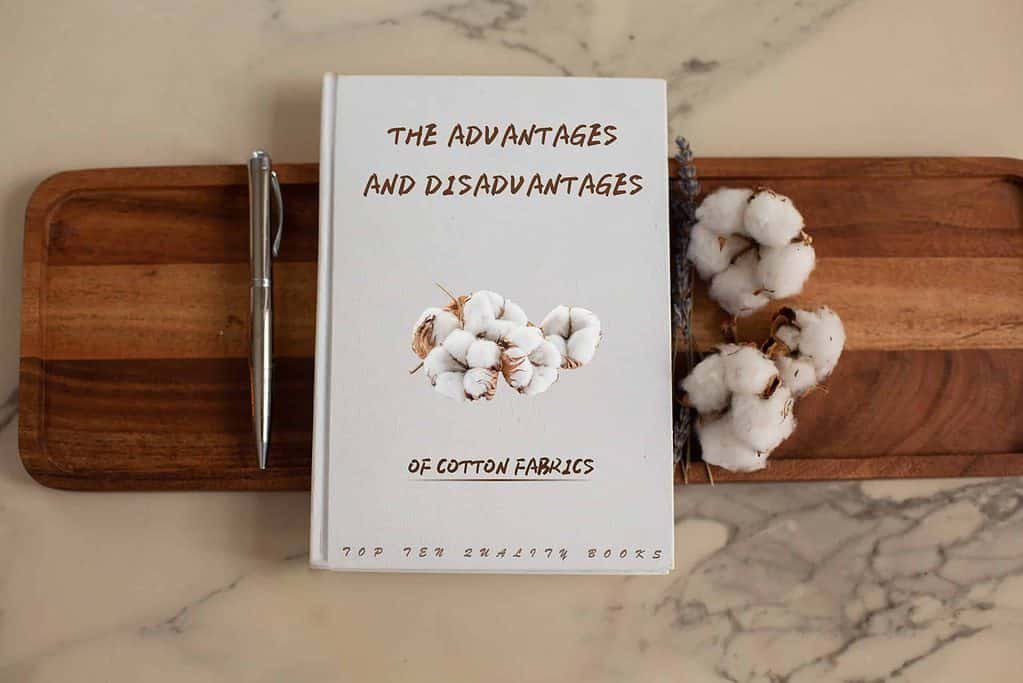
The Advantages and Disadvantages of Cotton Fabrics
When selecting materials for your clothing projects, understanding cotton fabric pros cons helps you make informed decisions. Cotton stands out among textiles for its unique blend of natural properties that affect everything from daily comfort to long-term durability. Let’s explore what makes cotton special and where it might fall short of your expectations.
Key Benefits of Choosing Cotton Materials
Cotton’s natural fiber advantages start with its remarkable water absorbency. You’ll find that cotton can hold up to 27 times its weight in water, making it ideal for towels and summer clothing. The fabric actually becomes 10-20% stronger when wet, unlike many materials that weaken with moisture.
Your skin will appreciate cotton’s breathability, especially in warm weather. The fiber structure allows air to circulate freely, keeping you cool and comfortable. Cotton also resists static electricity buildup and handles alkaline detergents well, making laundry day simpler.

Common Drawbacks to Consider
Cotton benefits drawbacks become clear when you notice wrinkles forming quickly after wear. The fabric tends to shrink during the first hot water wash, sometimes losing up to 5% of its size. You might also see pilling develop on frequently worn areas, and bright colors can fade after repeated washing.
Comparing Cotton to Synthetic Alternatives
Cotton vs synthetic fabrics reveals interesting trade-offs. While polyester costs less and resists wrinkles better, cotton offers superior breathability and a chemical-free composition. For electricians and welders, cotton’s tendency to burn rather than melt provides crucial safety protection that synthetic materials can’t match.
Breathability and Comfort Benefits of Cotton
Cotton stands out among fabrics for its exceptional comfort properties that make it ideal for everyday wear. The natural fiber structure creates tiny air pockets between threads, allowing your skin to breathe freely throughout the day. This unique characteristic of cotton breathability helps you stay comfortable in various climates and activities.
How Cotton Regulates Body Temperature
Temperature regulation clothing made from cotton works through a simple yet effective process. The fiber’s hollow structure traps air, creating insulation when you need warmth. During warmer conditions, these same air pockets allow heat to escape from your body. Cotton adapts to your body’s needs, keeping you warm in cool weather and cool when temperatures rise.
Moisture Management in Hot Weather
Moisture wicking cotton absorbs sweat directly from your skin and holds it within the fabric fibers. This absorption process creates a cooling effect as the moisture evaporates slowly. Unlike synthetic materials that push sweat to the surface quickly, cotton’s gradual evaporation keeps you feeling cooler for longer periods during hot summer days.
Hypoallergenic Properties for Sensitive Skin
Hypoallergenic fabric properties make cotton the preferred choice for people with skin sensitivities. Cotton rarely causes allergic reactions or skin irritation because it contains no chemical additives or synthetic compounds. Babies, children, and adults with eczema or dermatitis can wear cotton clothing without worry. The smooth, soft fibers are gentle against skin, reducing friction and preventing rashes that rougher materials might cause.
Durability and Maintenance Concerns
Cotton fabric durability depends on proper care practices that protect the natural fiber structure. While cotton boasts impressive tensile strength compared to wool or silk, it requires specific attention to maintain its quality over time. Understanding cotton maintenance requirements helps you extend the life of your garments and keep them looking their best.
Cotton washing care starts with temperature control. Keep water below 86°F (30°C) to prevent fiber stretching and maintain the fabric’s original shape. Mild alkaline detergents clean effectively without breaking down cotton’s natural structure. Pre-washing fabric before sewing eliminates unexpected shrinkage in finished garments – a simple step that saves frustration later.
Smart laundry habits significantly impact fabric longevity. Place delicate cotton items in mesh laundry bags to reduce friction during washing cycles. Shorten spin cycles to minimize stress on fibers, and remove clothes immediately after washing. Shape garments while damp to prevent permanent creasing – cotton fibers lock into position as they dry.
Regular cotton fibers wear faster than polyester or nylon alternatives. This natural breakdown occurs through repeated washing, sun exposure, and daily wear. You can slow this process by rotating garments frequently and avoiding harsh chemicals like bleach. Cotton maintenance requirements become routine once you establish good habits, ensuring your favorite pieces last for years rather than months.
Cotton Fabric Weight Classifications and Their Uses
Understanding cotton fabric weights helps you select the perfect material for any project. Each weight category serves specific purposes, from breezy summer clothes to structured winter garments. The right choice depends on your garment’s design, season, and intended use.
Lightweight Cotton for Summer Garments
Lightweight cotton types create the airiest, most comfortable warm-weather clothing. Cotton voile and gauze offer sheer to semi-sheer options perfect for beach cover-ups and flowing summer dresses. Liberty cotton lawn, a premium choice priced around $35-40 per meter, provides exceptional softness with natural drape ideal for blouses and tunics.
These fabrics breathe exceptionally well, keeping you cool when temperatures rise. Their delicate nature makes them perfect for layering or creating romantic, ethereal designs that move gracefully with your body.
Medium Weight Options for Year-Round Wear
Medium weight cotton strikes the perfect balance between structure and comfort. Cotton chambray works beautifully for casual shirts and A-line skirts, while quilting cotton creates crisp, tailored looks. Chino twill fabric excels in safari-style jackets and pants that need durability without excessive bulk.
Cotton flannel falls into this category too, offering cozy warmth for cooler months while remaining breathable enough for transitional weather.
Heavy Weight Cotton for Structured Clothing
Heavy cotton materials provide maximum structure and durability for outerwear and formal pieces. Cotton sateen’s lustrous finish makes elegant blazers and pencil skirts, while corduroy adds retro charm to dresses and pants. Canvas, the heaviest option, creates sturdy bags, work wear, and structured jackets that maintain their shape through years of use.
Cotton vs Polyester Performance Comparison
When selecting fabrics for your next project, understanding the cotton polyester comparison helps you make informed decisions. Each material brings distinct advantages depending on your specific needs, budget, and intended use. The choice between these two popular fabrics impacts everything from production costs to end-user satisfaction.
Cost Considerations and Budget Impact
Your fabric cost analysis reveals significant price differences between natural and synthetic options. Polyester typically costs 30-50% less than cotton due to its petroleum-based manufacturing process. This price gap matters when you’re producing promotional items or bulk orders. Cotton’s higher price reflects its agricultural production and processing requirements. Budget-conscious projects often lean toward polyester blends to balance quality with affordability.
Athletic and Performance Wear Applications
Performance wear materials demand specific characteristics that affect athletic comfort and efficiency. Polyester excels at moisture-wicking, pulling sweat away from your skin during workouts. Its quick-drying nature keeps you comfortable during intense training sessions. Cotton breathes better in extreme heat but retains moisture longer. Many athletic brands now combine both fibers to maximize benefits—using polyester for moisture management and cotton for comfort against skin.
Professional and Safety Requirements
Safety fabric requirements dictate material choices in hazardous work environments. Electricians and welders prefer cotton because it chars rather than melts when exposed to sparks or flames. Polyester melts at approximately 482°F, potentially causing severe burns if it adheres to skin. Industrial settings requiring flame-resistant clothing often mandate 100% cotton or treated cotton blends. Your workplace safety standards should guide fabric selection for professional uniforms.
Understanding Cotton Blends and Fabric Combinations
Cotton blend fabrics give you the best of multiple worlds by mixing natural cotton with synthetic or other natural fibers. These combinations create textiles that outperform single-fiber fabrics in specific ways while keeping costs reasonable for both manufacturers and consumers.
Cotton polyester blends rank as the most popular choice in the textile industry. A 50/50 fabric mix balances cotton’s soft touch with polyester’s wrinkle resistance and durability. Products like the Port & Company Core Blend Tee PC55 showcase these blended textile benefits through improved shape retention and reduced shrinkage compared to 100% cotton alternatives.
The Gildan DryBlend 8000 series demonstrates why cotton polyester blends work so well for everyday wear. These shirts maintain their color through multiple washes while offering moisture-wicking properties that pure cotton lacks. The polyester component adds strength to high-stress areas like seams and collars.
Natural fiber combinations create unique textures and properties. Cotton-linen blends produce lightweight, breathable fabrics perfect for warm weather clothing. The Menasa-Fushiori blend uses equal parts cotton and linen to create shirts that feel soft against your skin while staying cool in summer heat.
Garment decorators prefer cotton blend fabrics because they accept various printing methods reliably. Screen printing, heat transfers, and embroidery all work well on these materials. The 50/50 fabric mix provides a stable base that resists distortion during the decoration process, ensuring designs stay sharp and professional-looking over time.
Proper Care and Washing Techniques for Cotton
Taking care of cotton garments requires attention to detail and the right techniques. Following proper fabric care guidelines extends the life of your clothing and keeps them looking fresh. Cotton responds well to careful handling, but mistakes during washing or drying can lead to permanent damage.
Temperature Guidelines and Detergent Selection
The right water temperature makes all the difference in your cotton washing instructions. Keep water at or below 86°F (30°C) to maintain fabric integrity. Hot water breaks down cotton fibers faster and causes colors to fade. Cold water works best for dark colors and delicate cotton items.
Choose mild alkaline detergents for everyday cotton clothes. Your favorite jeans and t-shirts do well with regular detergent. Switch to gentle, pH-neutral formulas for expensive cotton pieces like dress shirts or specialty fabrics. Skip fabric softeners on towels since they reduce absorbency over time.
Preventing Shrinkage and Color Fading
You can prevent cotton shrinkage by removing items from the washer immediately after the cycle ends. Pull the fabric gently in all directions to reshape it before hanging. This simple step keeps your clothes fitting properly wash after wash.
Wash new colored cotton separately for the first few cycles. Pre-washing removes excess dye that might transfer to other clothes. Professional color-stopper treatments protect valuable items from fading.
Drying Methods to Minimize Wrinkles
Smart cotton drying methods save you ironing time. Hang clothes in a shaded area with good air circulation. Direct sunlight fades colors and weakens fibers. Remove items while slightly damp to prevent deep-set wrinkles from forming.
Environmental Impact and Sustainability Factors
Cotton’s environmental footprint depends greatly on how you grow and process it. While traditional farming methods raise concerns, eco-friendly textiles made from cotton offer promising solutions for conscious consumers. The choice between conventional and organic production methods shapes both environmental health and garment quality.
Biodegradability and Renewable Resources
Cotton stands out among biodegradable fabrics because it decomposes naturally within months. Unlike polyester that persists in landfills for centuries, cotton returns nutrients to soil as it breaks down. This renewable crop grows annually, providing consistent fiber supplies without depleting finite resources.
Natural decomposition rates vary based on fabric thickness and environmental conditions. A cotton t-shirt typically biodegrades within six months in compost, while denim takes up to a year. This natural cycle reduces waste accumulation and supports circular fashion initiatives.
Organic Cotton vs Conventional Cotton Production
Sustainable cotton farming eliminates synthetic pesticides and chemical fertilizers that conventional methods rely on. Farmers must maintain chemical-free fields for three years before earning organic certification. This transition period ensures soil health recovery and pesticide residue elimination.
Organic cotton benefits extend beyond environmental protection. Farmers avoid exposure to toxic chemicals, improving workplace safety and community health. Water sources remain uncontaminated, protecting local ecosystems and drinking supplies. Though organic cotton costs 20-30% more than conventional options, you gain assurance of chemical-free production and support responsible agriculture practices.
Best Applications for Cotton Fabrics in Everyday Life
Cotton fabric uses span across every room in your home and nearly every piece in your wardrobe. From the shirt on your back to the sheets on your bed, this versatile material shapes daily comfort in countless ways. Understanding where cotton performs best helps you make smart choices for clothing and household items.
Different cotton garment types excel in specific situations. Button-down shirts made from breathable weaves keep you cool during long workdays. T-shirts in jersey cotton stretch and move with your body. Pajamas crafted from soft, brushed cotton create the perfect sleep environment. Each application takes advantage of cotton’s natural properties to enhance comfort.
Cotton home textiles transform living spaces into comfortable retreats. Cushion covers withstand frequent washing while maintaining their shape and color. Pillowcases in smooth cotton weaves feel gentle against your skin night after night. Bath towels absorb water quickly and dry between uses. Kitchen textiles like dish towels and aprons handle daily spills and stains with ease.
Everyday cotton applications extend to specialized needs too. Children’s clothing benefits from cotton’s gentle touch on sensitive skin. Work uniforms stay comfortable during long shifts. Athletic wear blended with cotton provides breathability during light exercise. Baby items like onesies and blankets offer softness and easy care. These practical uses demonstrate why cotton remains a staple material in households worldwide.
Conclusion
This cotton fabric summary reveals why cotton remains a top choice for textile applications worldwide. Natural fiber properties like breathability, moisture absorption, and hypoallergenic qualities make cotton ideal for everything from everyday t-shirts to professional uniforms. Cotton’s ability to regulate body temperature and manage moisture creates comfort across different climates and activities.
When choosing cotton materials, you need to balance the benefits against certain limitations. Wrinkling and shrinkage require proper care techniques, but these challenges become manageable with the right washing and drying methods. Your fabric selection guide should consider weight classifications – lightweight cotton like voile works for summer dresses, while heavy corduroy suits winter jackets. Cotton blends with polyester or elastane can reduce maintenance concerns while keeping comfort benefits.