Your baby’s skin is up to five times thinner than yours. That single fact makes baby clothes fabric selection one of the most important decisions you’ll face as a parent. The wrong material can trigger rashes, overheating, and endless fussiness — while the right one keeps your little one calm and cozy all day long.
This infant fabric guide walks you through everything you need to know about choosing safe, comfortable textiles for your child. We’ll cover the best materials for babies across every season — from breathable cotton and bamboo to temperature-regulating merino wool.
Why Choosing the Right Fabric Matters for Your Baby
The fabric touching your baby’s body plays a direct role in their health and well-being. From preventing rashes to keeping them at the right temperature, every material choice counts. Understanding baby skin sensitivity helps you make smarter decisions — and avoid common mistakes that lead to discomfort or irritation.
Safety and Comfort Considerations
Babies spend most of their day in clothing, so the fabric must be safe and gentle. Infant comfort fabrics feature soft seam construction that prevents rubbing — especially critical during the first few months. Rough stitching or stiff materials can cause redness and chafing on delicate skin.
You should look for garments free from harmful dyes, chemical finishes, and loose embellishments. Certifications like OEKO-TEX Standard 100 confirm that textiles meet strict safety requirements for infant wear.
Impact on Baby’s Sensitive Skin
Children under five have skin that is thinner and more permeable than adult skin. This makes them vulnerable to allergens and irritants found in synthetic fabrics. Choosing hypoallergenic textiles reduces the risk of eczema flare-ups, contact dermatitis, and allergic reactions.
Natural fibers — like organic cotton and bamboo — are ideal for babies prone to skin conditions. These materials minimize chemical exposure while offering a soft, breathable feel against the skin.
Temperature Regulation and Breathability
Overheating is a real concern for infants, and the right temperature control clothing can make a significant difference. Breathable baby materials allow air to circulate while wicking moisture away from the body.
| Fabric Type | Breathability | Moisture Wicking | Best Season |
|---|---|---|---|
| Organic Cotton | High | Moderate | Year-round |
| Merino Wool | High | Excellent | Fall/Winter |
| Bamboo | Very High | High | Spring/Summer |
| Polyester | Low | Low | Not recommended |
Wool, for example, absorbs moisture while staying dry to the touch — preventing both overheating and excessive cooling. This dual regulation keeps your baby comfortable regardless of climate conditions. As we explore in the next section, natural fabrics consistently outperform synthetics across all these critical factors.
Natural Fabrics: The Top Choices for Baby Clothing
When it comes to natural fiber clothing, you have several excellent options for your little one. Each fabric brings unique strengths to the table — from breathability to moisture control. Let’s break down the top picks so you can make an informed choice.
Cotton and Organic Cotton Benefits
Cotton remains the go-to fabric for baby garments. It’s breathable, non-electrifying, and gentle on delicate skin. It resists tearing and comes in a wide range of colors. The main drawback? It wrinkles fast.
The organic cotton benefits go a step further. This variety is grown without harmful pesticides or synthetic fertilizers. It feels softer against your baby’s skin and reduces exposure to chemical residues. Keep in mind that organic cotton may fade slightly faster since it skips chemical color treatments.
Merino Wool’s Temperature-Regulating Properties
Many parents overlook wool, but merino wool babies products are a game-changer. Ultra-fine merino fibers absorb moisture while keeping your baby dry across changing temperatures. Unlike regular wool, high-quality merino — like products from Woolino — won’t cause itchiness. It stays surprisingly cool in warm weather and warm in the cold.
Bamboo Fabric’s Softness and Absorbency
The bamboo fabric properties that stand out most include superior moisture absorption, UV protection, and hypoallergenic qualities. Bamboo garments can withstand over 500 washes without losing their shape. You’ll find bamboo in everything from diapers to bathrobes and fitted sheets.
| Fabric | Breathability | Moisture Absorption | Durability |
|---|---|---|---|
| Organic Cotton | High | Moderate | Good |
| Merino Wool | High | Excellent | Very Good |
| Bamboo | Very High | Excellent | 500+ washes |
| Linen | Excellent | Good | Very Good |
Linen for Summer Baby Clothes
Linen summer wear is ideal when temperatures climb. This fabric allows excellent air passage, preventing a “greenhouse effect” against your baby’s skin. Light-colored linen shirts and dresses keep babies cool and comfortable during the hottest months. As we explore seasonal fabric choices next, you’ll see how these materials perform year-round.
Understanding the Best Fabric for Baby Clothes by Season
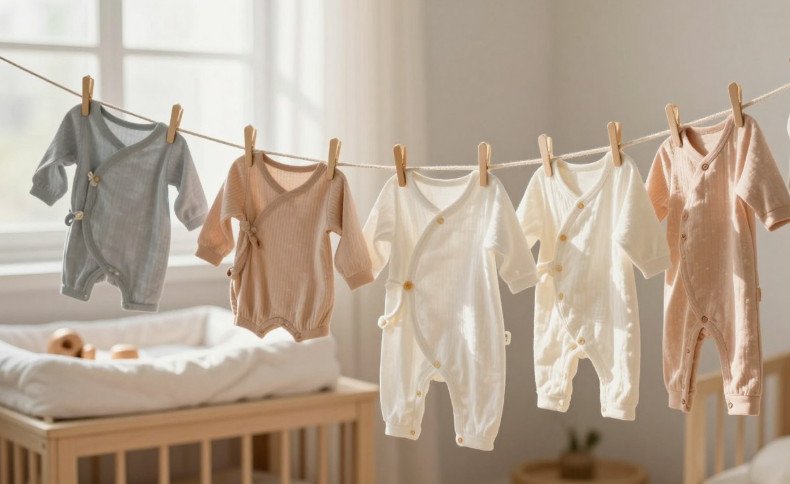
Each season brings unique challenges for dressing your baby. Picking the right seasonal baby clothing means matching fabrics to the weather — keeping your little one warm in winter and cool in summer. Understanding weather-specific textiles helps you make smarter choices all year long.
When temperatures drop, winter baby fabrics like merino wool and fleece become essential. Merino wool stands out because it regulates body temperature without causing sweat buildup. Fleece offers lightweight warmth — perfect for outdoor layers — but can cause overheating if used indoors for extended periods. Brands like Woolino use merino wool that performs well in both hot and cold climates through its natural moisture-wicking properties.
For warmer months, summer infant wear should prioritize breathability. Linen, muslin, and gauze prevent the “greenhouse effect” that traps heat against your baby’s skin. Gauze works especially well for underwear and lightweight layering pieces. These climate-appropriate materials let air circulate freely, reducing the risk of heat rash and irritation.
Here’s a quick comparison of fabrics by season to guide your choices:
| Fabric | Best Season | Key Benefit | Watch Out For |
|---|---|---|---|
| Merino Wool | Year-round | Temperature regulation | Requires gentle washing |
| Fleece | Winter (outdoors) | Lightweight warmth | Overheating risk indoors |
| Muslin | Summer | High breathability | Less warmth retention |
| Modal | Spring/Fall | Silky softness, shrink-resistant | Less eco-friendly production |
| Footer Jersey | Winter | Dense warmth with moisture absorption | Can feel heavy in heat |
| Bamboo | Year-round | Natural temperature control | May wrinkle easily |
Sizing matters just as much as fabric choice. Brands like Love to Dream US offer detailed sizing charts — from newborn through age 8 — with weight and height parameters designed to accommodate seasonal growth patterns. A proper fit ensures weather-specific textiles perform as intended, keeping your baby comfortable no matter the forecast.
Fabrics to Avoid in Baby Clothing
Not every soft-looking fabric is safe for your little one. Understanding synthetic fabric dangers helps you make smarter choices at the store. Certain materials can trigger skin reactions, trap heat, and cause real discomfort — especially for children under five whose skin is still developing.
Why Polyester Can Cause Overheating
Polyester traps heat and moisture against your baby’s skin. It lacks the breathability natural fibers offer. Even small percentages of polyester in underwear, pajamas, or diapers can create problems during extended skin contact. The polyester risks babies face include overheating, excessive sweating, and heat rash — particularly during sleep. Always read labels carefully before buying.
Problems with Synthetic Materials
Several popular fabrics belong on your materials to avoid list. Here’s a quick breakdown:
| Fabric | Composition | Risk Level | Acceptable Use |
|---|---|---|---|
| Minky | 100% polyester microfiber | High for clothing | Wraps and blankets only |
| Nylon | Synthetic polymer | Moderate to high | Outerwear with a cotton lining |
| Fleece | Synthetic polyester blend | Moderate | Outdoor jackets, not sleepwear |
| Voile (synthetic) | Polyester or nylon weave | High for infants | Decorative trim for older children |
| Microfiber | Ultra-fine synthetic fibers | Moderate | Outerwear only, never next to skin |
Identifying Potential Allergens and Irritants
Fabric allergens are a real concern. Chemical dyes, formaldehyde finishes, and flame retardants found in synthetic textiles act as clothing irritants. Children under five face heightened vulnerability to allergic reactions, skin irritation, and even asthma from frequent contact with these substances.
To protect your baby, stick to certified natural fabrics — a topic we covered in the previous section. Read every label, check fiber content, and avoid blends heavy in synthetics for any garment that sits directly on skin.
Caring for Different Baby Clothing Fabrics
Each fabric in your baby’s wardrobe demands a unique approach to cleaning and upkeep. Understanding the right fabric care instructions keeps garments soft, safe, and long-lasting. Let’s break down the best practices for each material type.
Washing Guidelines for Natural Fibers
Baby clothes washing starts with knowing your fabric. Cotton and organic cotton handle standard machine cycles well — just stick to warm or cool water. Muslin is equally forgiving. It withstands frequent machine washes without losing color or shape. Interlock knits hold their structure through repeated cycles when you follow the label’s laundry guidelines.
Here are quick tips for everyday baby clothes washing:
- Use a gentle, fragrance-free detergent designed for infants.
- Wash at the temperature listed on the garment tag.
- Turn clothes inside out to protect prints and surface texture.
- Check seam quality after each wash to ensure nothing rubs against your baby’s skin.
Maintaining Fabric Quality Through Multiple Washes
Sateen retains its beautiful shine with proper care over time. Jersey knits need strict adherence to fabric care instructions — skipping steps leads to pilling and stretching. The key is consistency. Follow the manufacturer’s laundry guidelines every time you wash, not just the first few rounds.
| Fabric | Wash Durability | Special Notes |
|---|---|---|
| Organic Cotton | High | Machine wash warm; minimal shrinkage |
| Muslin | High | No color loss after repeated washes |
| Bamboo | Up to 500 washes | Requires delicate cycle |
| Merino Wool | Moderate | Air out between wears; hand wash preferred |
Special Care Instructions for Wool and Bamboo
Wool maintenance is simpler than you might think. Wool has natural self-cleaning properties, so airing it out between wears often eliminates the need for a full wash. For stubborn stains, Woolino offers a specialized wool wash in scented and unscented options. Be careful with water temperature — hot water causes shrinkage.
Bamboo clothing care requires a gentle touch. Use the delicate cycle and cold water. When treated right, bamboo stays soft through 500 washes without losing its shape. Skip the dryer and lay flat to dry for the best results.
Conclusion
This best materials recap confirms what many parents already suspect — natural fibers are the clear winners for baby clothing. Cotton, organic cotton, merino wool, bamboo, and linen each bring unique strengths to the table. They offer breathability, softness, and safety that synthetic fabrics simply cannot match.
As a fabric selection summary, your best baby clothes recommendations center on prioritizing breathable, hypoallergenic materials suited to your climate and your child’s unique comfort needs. Every baby is different, so some trial and error with nighttime fabrics is perfectly normal. Choosing sustainable, natural fibers is a smart move — for your little one and the environment.